





Nikko, home to the shrine of Tokugawa Ieyasu—founder of the Edo Shogunate—and Aizu, which fought to the very end to defend the Shogunate: during the Edo period, these two places were connected by an ancient route known as the Aizu Nishi Kaido.


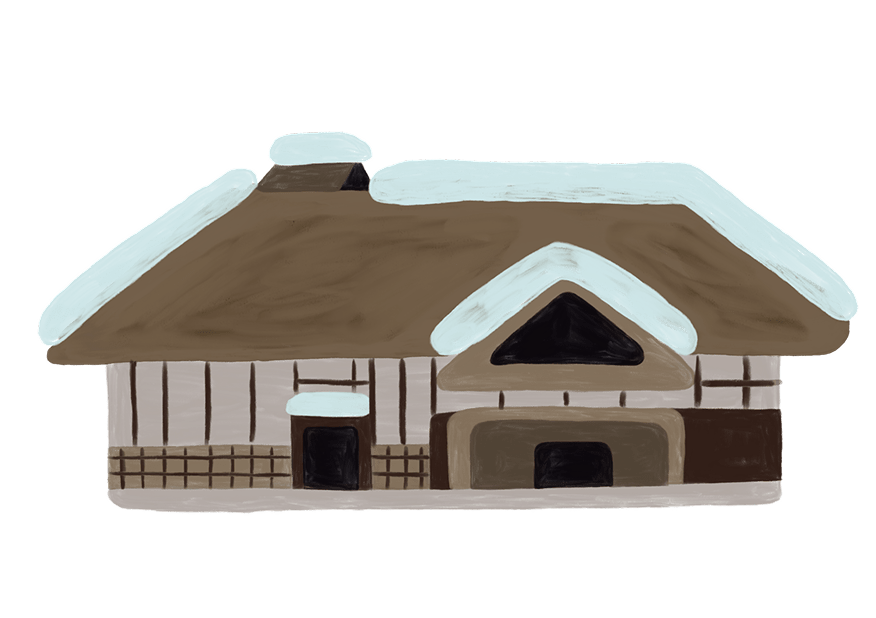
There, the people of the post towns dotting the route warmly cared for and offered various forms of hospitality to the travelers traversing the long, arduous mountain paths.
"Aizu-gokoro"—the spirit of the people of Aizu—is defined by a resilience that allowed them to live with patience, grace, and kindness, and to always extend hospitality to travelers, even amidst the harshness of nature and historical adversity.
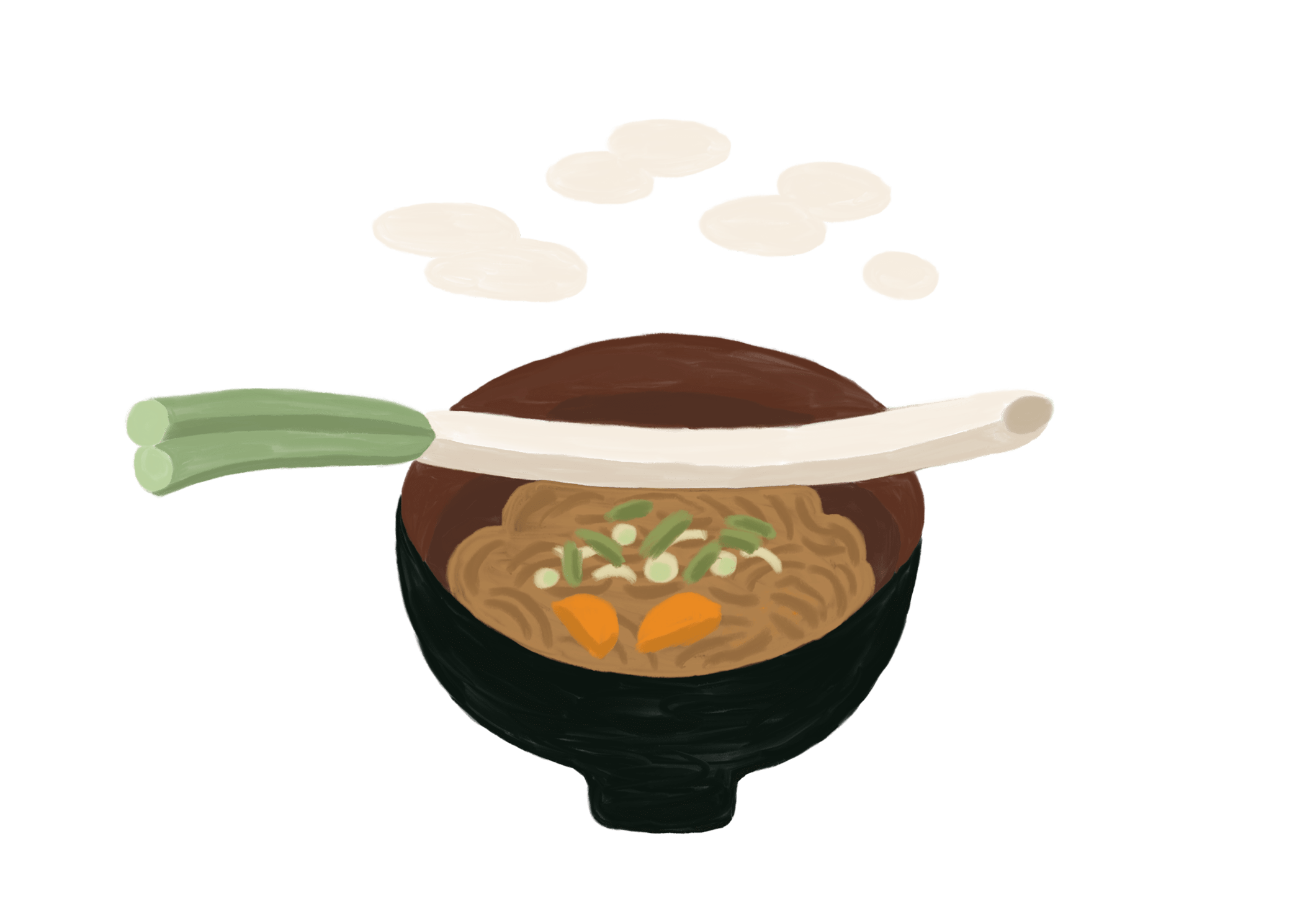
This spirit lives on vibrantly today, passed down through the ages in Aizu’s flavors, crafts, landscapes, and festivals.

In our busy modern lives, constantly chasing after an overwhelming flood of information, we can find fulfillment by slowing down and relaxing amidst the warm hospitality of the "Aizu spirit"—a welcome that tells us, "There is no need to rush; take your time." Come, let us set off on a journey to discover a side of the world you have yet to experience.




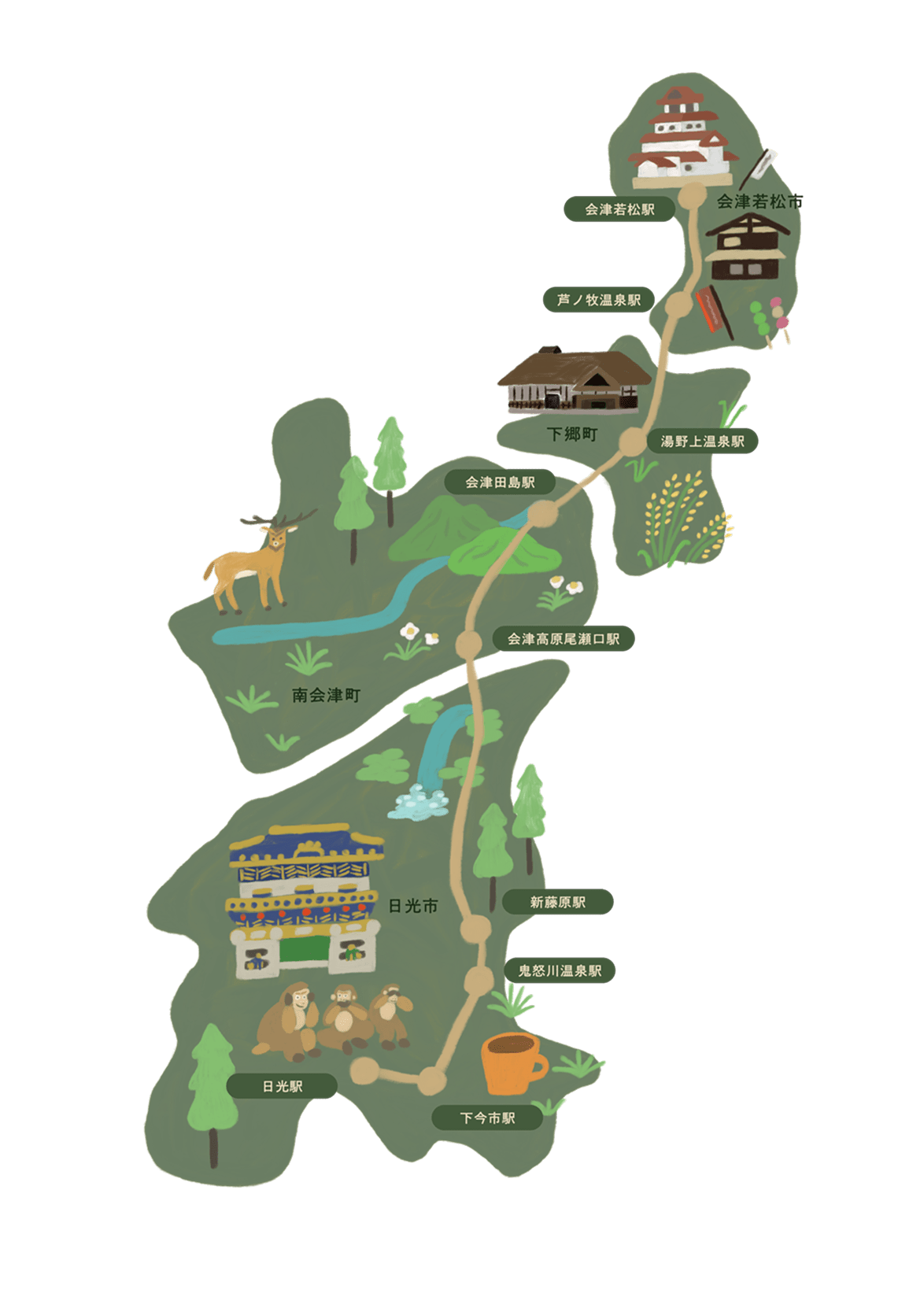
The route stretching from Nikko through Imaichi, Kinugawa, and Minami-Aizu to Aizu-Wakamatsu served as a vital artery during the Edo period, supporting the sankin-kotai (alternate attendance) system and the transport of goods.
Post towns and historic sites dot the highway, preserving the atmosphere of that era alongside valleys cradled by mountains and clear, flowing streams.
Even today, traveling this road allows one to encounter the quintessential scenery of Aizu, where history and the warmth of its people intertwine.